

Why this dispatch matters
Outgunned, outnumbered, and facing a column of Iraqi armor, a handful of U.S. Green Berets and Kurdish fighters made a legendary stand at a remote crossroads in northern Iraq. With grit, coordination, and just a few Javelin missiles, they turned the tide in one of the most one-sided battles of the war. This is the story of how unconventional warriors rewrote the rules of modern combat at Debecka Pass.
Author note: Stories from the Tactically Acquired archive, built to connect military history, service identity, and collection discovery.
A Stand at the Crossroads
Special Forces and Peshmerga vs. Iraqi Armor at Debecka Pass
In April 2003, amid the broader chaos of Operation Iraqi Freedom, a remote junction in northern Iraq became the setting for one of the most lopsided yet decisive engagements of the war. Near the village of Debecka, a small U.S. Army Special Forces detachment—alongside their Kurdish Peshmerga partners—stood in the path of an Iraqi mechanized company.
They weren’t supposed to win. They were outnumbered, lightly armed, and isolated. Yet, they had two key advantages: unbreakable resolve and the Javelin missile system.
What followed was a dramatic encounter that would become a case study in 21st-century warfare—a story of how a few elite operators with advanced weapons could halt and destroy a force that, on paper, should have steamrolled them.

Special Forces troops prepare Ground Mobility Vehicles (GMV) for Battle of Debecka Pass
The Road to Debecka: Geography, Strategy, and Uneven Odds
A Crossroads of Consequence
The small village of Debecka, tucked into the rolling hills of northern Iraq, sat at a deceptively ordinary intersection—just a few dusty roads crisscrossing 40 kilometers southwest of Erbil. But in April 2003, this junction became a high-value objective. It connected Mosul and Kirkuk, two major northern cities, and held strategic weight far beyond its humble appearance. Whoever controlled Debecka controlled movement in the north—and the U.S. military intended to deny it to Saddam’s forces.
The Task Force Assembles
To take and hold the pass, the U.S. sent in a small, highly trained force: three Army Special Forces Operational Detachment Alphas (ODAs)—391, 392, and 044—working alongside approximately 150 Kurdish Peshmerga fighters. These ODAs were part of the larger Combined Joint Special Operations Task Force–North, operating deep behind enemy lines.

The Battle of Debecka Crossroads unfolded as a coordinated three-directional attack by U.S. and Kurdish forces against Iraqi positions on Zurqah Ziraw Dagh—also known as "Dog Ridge"
Lightly Armed, Heavily Skilled
What the Americans brought to the fight in training and precision, they lacked in sheer firepower. Their vehicles were modified GMVs (Ground Mobility Vehicles), bristling with heavy machine guns, automatic grenade launchers, and little else in the way of armor. No tanks. No artillery. No air superiority—at least not initially.
Their ace in the hole? A modest cache of FGM-148 Javelin missiles—shoulder-fired, precision-guided anti-tank weapons that were still relatively new in the U.S. arsenal. In the hands of experienced operators, the Javelins would soon become the equalizer.

A GMV from Charlie Company, 3rd Battalion, 3rd Special Forces Group was equipped with an M2 .50-caliber machine gun, serving as a mobile firepower platform during the fight
April 6, 2003 – The Day the Armor Rolled In
Holding the High Ground
Before sunrise on April 6, 2003, elite soldiers from the 3rd and 10th Special Forces Groups—ODAs 391, 392, and 044—along with their Kurdish Peshmerga allies, maneuvered into defensive positions on a ridgeline near the Debecka crossroads. This location was no accident. The high ground gave them a clear line of sight over the vital Mosul–Kirkuk highway. The terrain was harsh: dry, dusty, and exposed. There were no trenches, no bunkers—just rocks, shallow depressions, and a few hasty fighting positions dug into the earth.
The men knew they were in for a fight. Intelligence reports had warned of possible Iraqi reinforcements moving through the area, but the size and speed of what was coming remained unclear. With little more than GMVs, heavy machine guns, grenade launchers, and a few precious Javelin missile systems, the Special Forces prepared to hold their ground.

Unit insignia for the 3rd and 10th Special Forces Groups
Enemy in Sight: T-55s and MT-LBs on the Move
Mid-morning, scouts identified the incoming threat: an Iraqi mechanized company advancing in formation. T-55 tanks rumbled forward, supported by MT-LB armored personnel carriers and flatbed trucks bristling with infantry. The force was large, organized, and heavily armed—far more than the defenders had anticipated.
Still, no one moved. The ODAs and Peshmerga fighters remained in position. They had the high ground, the training, and the element of surprise.

One of the T-55s destroyed during the battle is inspected by coalition troops
Fire and Forget, Then Fire Again
The order to engage came quickly. Javelin teams sprang into action. The first missile streaked out, arcing high before slamming into a tank's vulnerable top armor. A fireball followed.
Another. Then another. One by one, Iraqi tanks lit up across the plain, their crews scrambling to escape the inferno.
The Javelin’s “fire-and-forget” capability allowed gunners to immediately displace and reload while the missile guided itself to its target—vital when seconds could mean life or death.
The War Pig Roars
Supporting the missile teams was a GMV known as “The War Pig.” Armed with a .50-caliber machine gun and a Mk 19 grenade launcher, its crew provided relentless suppressive fire. The vehicle became a mobile bunker, anchoring the defensive line and protecting Javelin gunners.
Machine gunners, missile teams, and Kurdish fighters worked in sync, exploiting every moment of confusion among the Iraqi troops.
Turning the Advance Into a Retreat
Within the first hour, the Iraqi assault faltered. Burned-out vehicles littered the field. Survivors either fled or were cut down. Precision weapons, expert training, and nerves of steel turned a near disaster into a clear victory.

A Special Forces operator fired bursts from a .50-caliber machine gun. His GMV was outfitted with smoke launchers and a Javelin strapped to the turret
How a Few Javelins Stopped an Armored Advance Cold
Striking From the Shadows
The Javelin’s impact wasn’t just tactical—it was psychological. Iraqi tank crews never saw their enemy. From concealed ridgeline positions, U.S. Special Forces launched missile after missile, guided by thermal imaging and top-attack trajectories that struck tanks at their weakest point: the turret roof.
The Iraqis were trained for direct engagements. They were not prepared for this kind of precision ambush.

A Javelin missile streaked into action during the Battle of Debecka Pass. The teams achieved remarkable accuracy—scoring 17 hits out of 19 shots
A One-Sided Fight
Despite being heavily outnumbered and outgunned, the combined force of U.S. Army Special Forces and Kurdish Peshmerga fighters rapidly seized the initiative. With surgical precision and superior tactics, the Americans called in devastating close air support and expertly coordinated ground maneuvers. Within minutes, the Iraqi mechanized units—including T-55 tanks and MT-LB armored personnel carriers—were reduced to burning hulks. The battlefield was strewn with destroyed armor and fleeing Iraqi troops. Thanks to their training, coordination, and overwhelming firepower, not a single U.S. soldier was lost in the direct engagement—a rare feat in such an intense clash.
A Friendly Fire Tragedy
However, the triumph was darkened by a horrific mistake. In the fog of war, a U.S. Navy F-14 Tomcat, responding to a call for close air support, dropped a 500-pound bomb directly on a friendly position. Due to a breakdown in communication and unclear targeting data, the aircraft mistook the Peshmerga and U.S. Special Forces' location for an enemy stronghold. The explosion tore through the ranks of the Kurdish fighters, killing eighteen and wounding several American operators. The scene was chaos—men who had fought shoulder to shoulder now frantically rendered aid amid smoke and debris. It was a gut-wrenching reminder of how quickly modern warfare can turn tragic, even among allies.
Victory, Tempered by Loss
The Battle of Debecka Pass concluded as a decisive tactical success. The enemy had been routed, the road into northern Iraq secured, and a vital position held against overwhelming odds. But the cost was deeply felt. The friendly fire incident haunted those who survived, casting a long shadow over what should have been a moment of shared triumph. For the Special Forces teams and their Peshmerga partners, the battle became a painful lesson in the deadly consequences of miscommunication—and a lasting testament to the brutal complexity of coalition warfare.
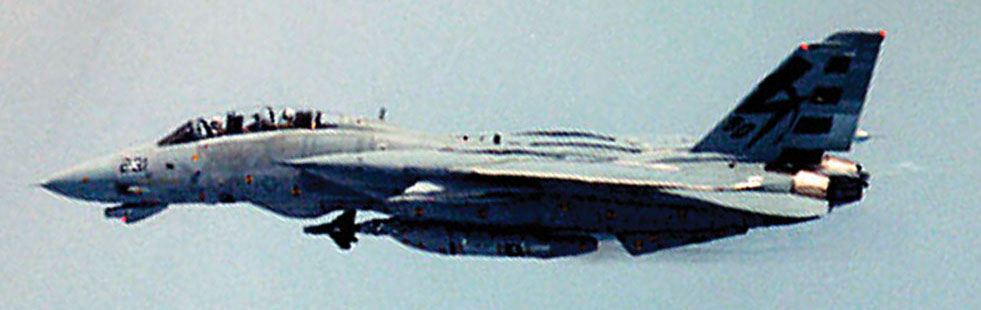
Air support from U.S. Air Force and Navy aircraft played a crucial role during the Battle of Debecka Crossroads
What Debecka Pass Meant for Modern Warfare
Victory on Uneven Terms
Facing a larger, better-equipped force, U.S. Special Forces and Kurdish allies decisively won. The success wasn’t from sheer firepower, but from coordination, precision, and the right tools in expert hands.
The Rise of the “Javelin Aces”
The FGM-148 Javelin became a legend at Debecka. Some operators earned the nickname “Javelin Aces” by scoring multiple confirmed armored kills in a single engagement.

Two U.S. Marines launch a Javelin missile during live-fire operations, showcasing the weapon’s precision and the team's coordination under combat conditions
Lessons That Echo
Debecka Pass didn’t just end in victory—it offered a new blueprint. Light, mobile forces can defeat armor with the right weapons and partners. It reinforced real-time intel and highlighted the ever-present danger of friendly fire.
A Symbol of Unconventional Strength
For the Special Operations community, Debecka Pass became a case study in courage, flexibility, and the brutal clarity of small-unit warfare. Victory didn’t require the most troops—just the right ones.
Keep the reader moving

If the invasion had been postponed to the next available window on June 18-20, the consequences would have...

The scale of the challenge was almost incomprehensible. In 1940, the entire American military establishment was built around...
Five programs. Conceived in the early 1970s. Fielded by the early 1980s. Proven in combat in 1991. Still...
Continue the mission
Get new dispatches, conflict drops, and collection launches delivered directly to your inbox.