Tactically Acquired Archive
U.S. Army Veterinary Corps
Embark on a journey of compassion and expertise with our U.S. Army Veterinary Corps Commemorative Collection. The Veterinary Corps represents a unique blend of veterinary medicine and military readiness, playing a crucial role in the health and operational effectiveness of the Army. Through their dedicated care of military working animals, these veterinary professionals ensure that these loyal and hardworking animals receive the best possible care, enhancing their contributions to mission success. Moreover, their contributions to food safety and public health safeguard the well-being of soldiers, preventing foodborne illnesses and promoting overall force readiness.
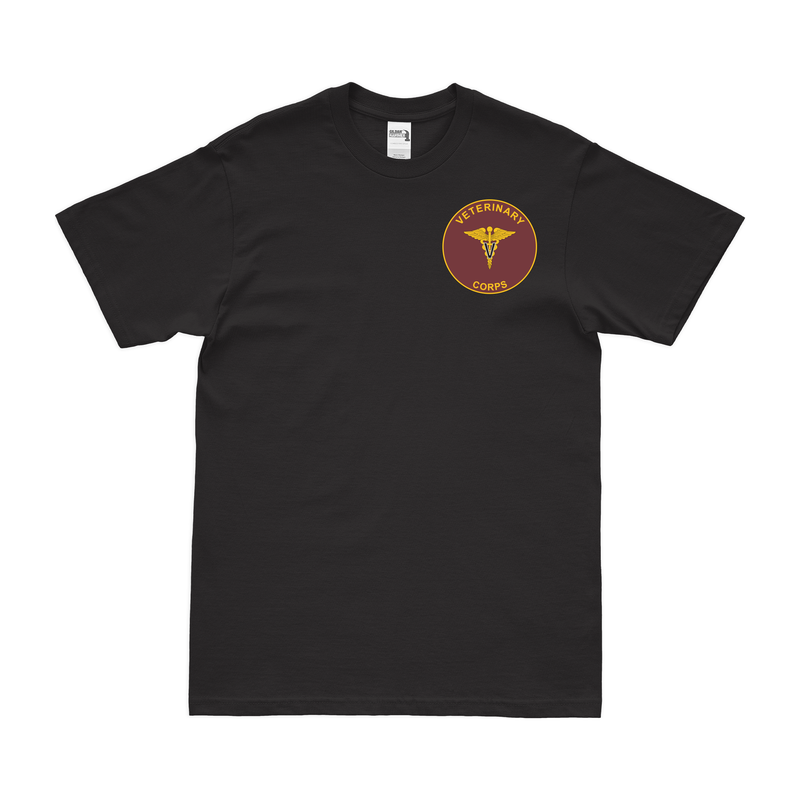
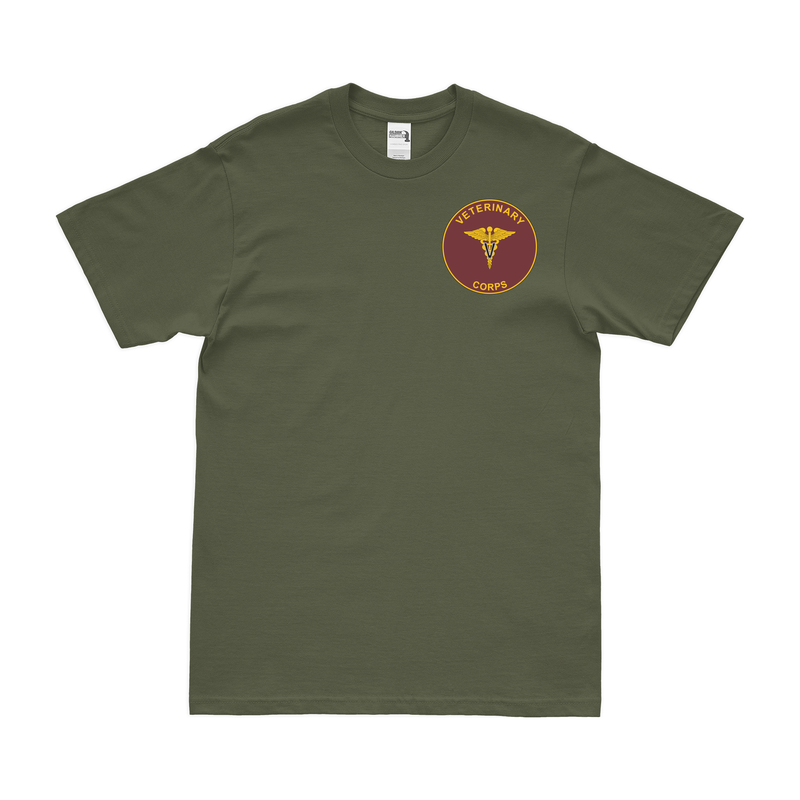
Our collection celebrates the critical work of the U.S. Army Veterinary Corps with a selection of T-Shirts, Long-Sleeve Shirts, Tank Tops, and Hoodies. Each piece features unique designs inspired by the corps' mission of caring for animals and protecting the force, highlighting the Veterinary Corps' emblem and the spirit of service and care that defines these professionals. Ideal for Veterinary Corps members, animal lovers, and those who recognize the vital link between animal health and military effectiveness, these items offer a tangible connection to an essential but often overlooked aspect of military operations.
Enhance your tribute to the U.S. Army Veterinary Corps with our meticulously crafted Hats and Decals. Perfect for veterinary professionals, military animal handlers, and supporters of the armed forces, these products honor the dedication and expertise of the Veterinary Corps in ensuring the health and readiness of both animals and soldiers.
Our Flags and Glassware further celebrate the distinguished service and vital role of the U.S. Army Veterinary Corps, enabling you to display your pride in their achievements and contributions to military medicine and public health. Beyond memorabilia, these collectibles serve as enduring symbols of the significant impact these professionals have on enhancing mission capability and safeguarding the health of the Army community.
Recognize the dedication, service, and expertise of the U.S. Army Veterinary Corps. Explore our collection today to find the perfect item commemorating the essential role of veterinary medicine in military readiness and public health.